
Genital warts
Genital warts are small lumps on the genitals which you can see or feel, but which are normally painless. They are caused by the genital wart virus (Human Papilloma Virus or HPV). They're different from the warts you can get on your hands and knees.
You can get genital warts from skin-to-skin contact with another person who has genital warts. This commonly occurs through vaginal, anal or oral sex but can be passed on through fingers. You don't have to see warts to pass it along.
Genital warts often go away by themselves without treatment. This is more likely if you have a strong immune system, so eat a healthy diet, get sufficient sleep and manage stress.

Symptoms
Genital warts can be found on the vagina, vulva, cervix, anus or penis, and sometimes in the mouth or throat. Some warts might be very small and others might clump together.
Prevention
- Get immunised. Free HPV immunisation is available through the year 7 school-based immunisation program.
- Avoid any contact with the infected area.
- Always use condoms or dams and water-based lubricant. But remember, they only protect the area of skin that they cover.
- Before you have sex, talk with your partner about the importance of safe sex and sexual health.
- Get regular STI tests.
- Use our free online test to see if you qualify for a chlamydia or gonorrhoea test.
- To find a sexual health service near you for STI testing use our Find a Service feature.
For more information go to the HPV Vaccine website (external site).
Treatment
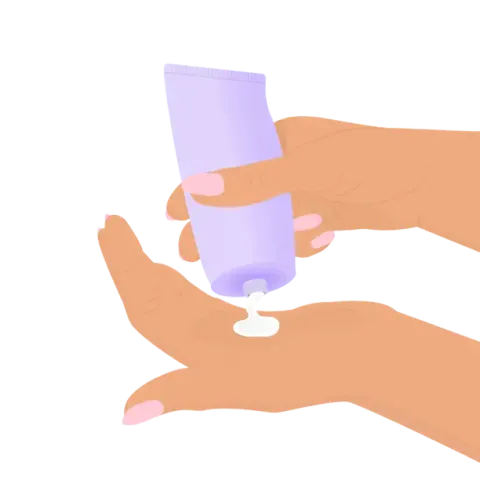
Genital warts can be treated in several ways, including creams, freezing them off, laser treatment and surgical removal. However, treatment can result in warts spreading.